British
1857 – 1934
Composer
Edward Elgar
Biography
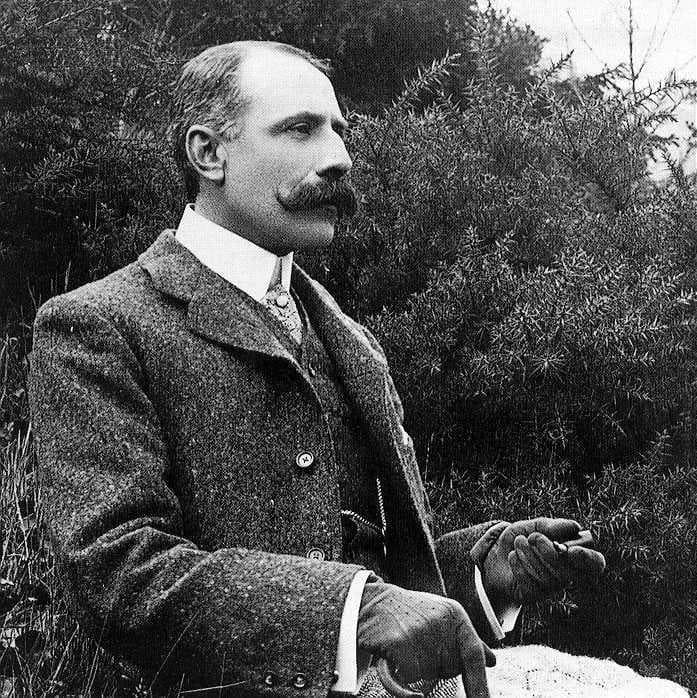
Sir Edward William Elgar (1857–1934) was an English composer of the late Romantic era who became the first significant English composer to achieve lasting international recognition since Purcell. Born near Worcester to a musical family, he was largely self-taught and worked for many years as a local musician and teacher before achieving fame in his early forties with the Enigma Variations (1899).
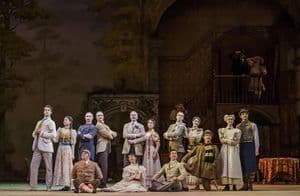
The Enigma Variations (Variations on an Original Theme for Orchestra, Op. 36), premiered by Hans Richter in 1899, is a set of fourteen variations each portraying a friend of the composer in musical portraiture. Frederick Ashton used the score for his ballet Enigma Variations (1968), a recreation of a garden party at Elgar's Worcestershire home in 1898 which tenderly evokes the composer's domestic world and inner life.
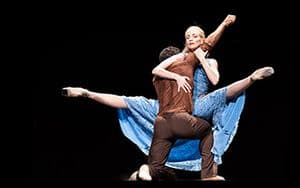
Elgar's Cello Concerto in E minor (1919) — a valedictory, autumnal work composed in the aftermath of the First World War — became the inspiration for Cathy Marston's The Cellist (2020), which tells the story of Jacqueline du Pré, the cellist most closely associated with the concerto in the twentieth century. Marston used the concerto alongside other Elgar works to trace the arc of du Pré's life and career.
Elgar's other major works include the two symphonies, the cello concerto, the oratorios The Dream of Gerontius (1900) and The Apostles (1903), and the five Pomp and Circumstance Marches.
Works (2)
Upcoming Performances
No upcoming performances scheduled.