Hungarian
1811 – 1886
Composer
Franz Liszt
Biography
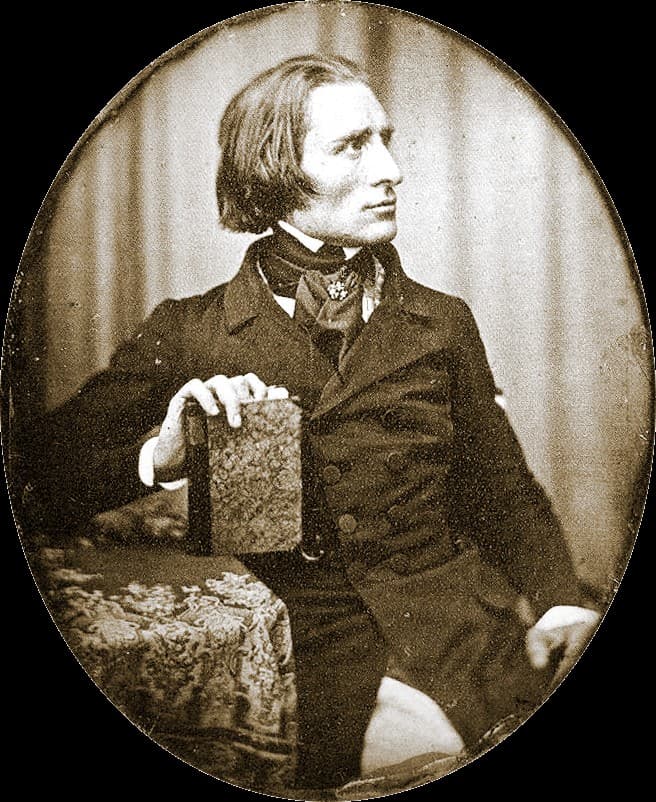
Franz Liszt (1811–1886) was a Hungarian composer and pianist widely regarded as the greatest piano virtuoso of the nineteenth century. Born in Doborján (now Raiding, Austria), he was recognised as a prodigy and studied with Czerny in Vienna and Salieri in Paris. His transcontinental concert tours in the 1840s generated a phenomenon later termed 'Lisztomania' — scenes of mass enthusiasm without precedent in musical history.
As a composer, Liszt was a bold innovator: he invented the symphonic poem (a single-movement orchestral work with a literary programme), wrote works of extreme harmonic daring that anticipate twentieth-century practice, and was the first composer to write programme notes for concert audiences. His major piano works — the Transcendental Études, the Piano Sonata in B minor, the Hungarian Rhapsodies — remain staples of the virtuoso repertoire. His piano transcriptions of works by Beethoven, Schubert, Berlioz and others brought orchestral music to audiences who had never heard it.
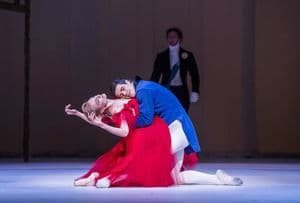
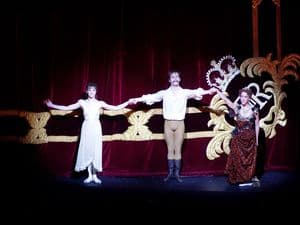
Liszt's music appears in two Royal Ballet works. For Marguerite and Armand (1963), Frederick Ashton used Liszt's Piano Sonata in B minor, orchestrated by Humphrey Searle, to create an intense one-act ballet for Margot Fonteyn and Rudolf Nureyev. For Mayerling (1978), Kenneth MacMillan used an arrangement by John Lanchbery of various Liszt piano pieces to create the dark, sprawling score for his portrayal of Crown Prince Rudolf's last days.
Works (2)
Upcoming Performances
No upcoming performances scheduled.