Igor Stravinsky
George Balanchine
Mid-Century (1945–1980)
Work
Jewels
About This Work
Jewels holds a unique place in ballet history as the first plotless full-length ballet — a triptych of self-contained works united by their correspondence to precious stones and, less obviously, to the three great classical ballet traditions that George Balanchine sought to honour. Created for New York City Ballet in 1967, the work was partly inspired by Balanchine's visit to Van Cleef & Arpels jewellery house on Fifth Avenue, though the connection between gemstone and choreographic style is more evocative than literal.
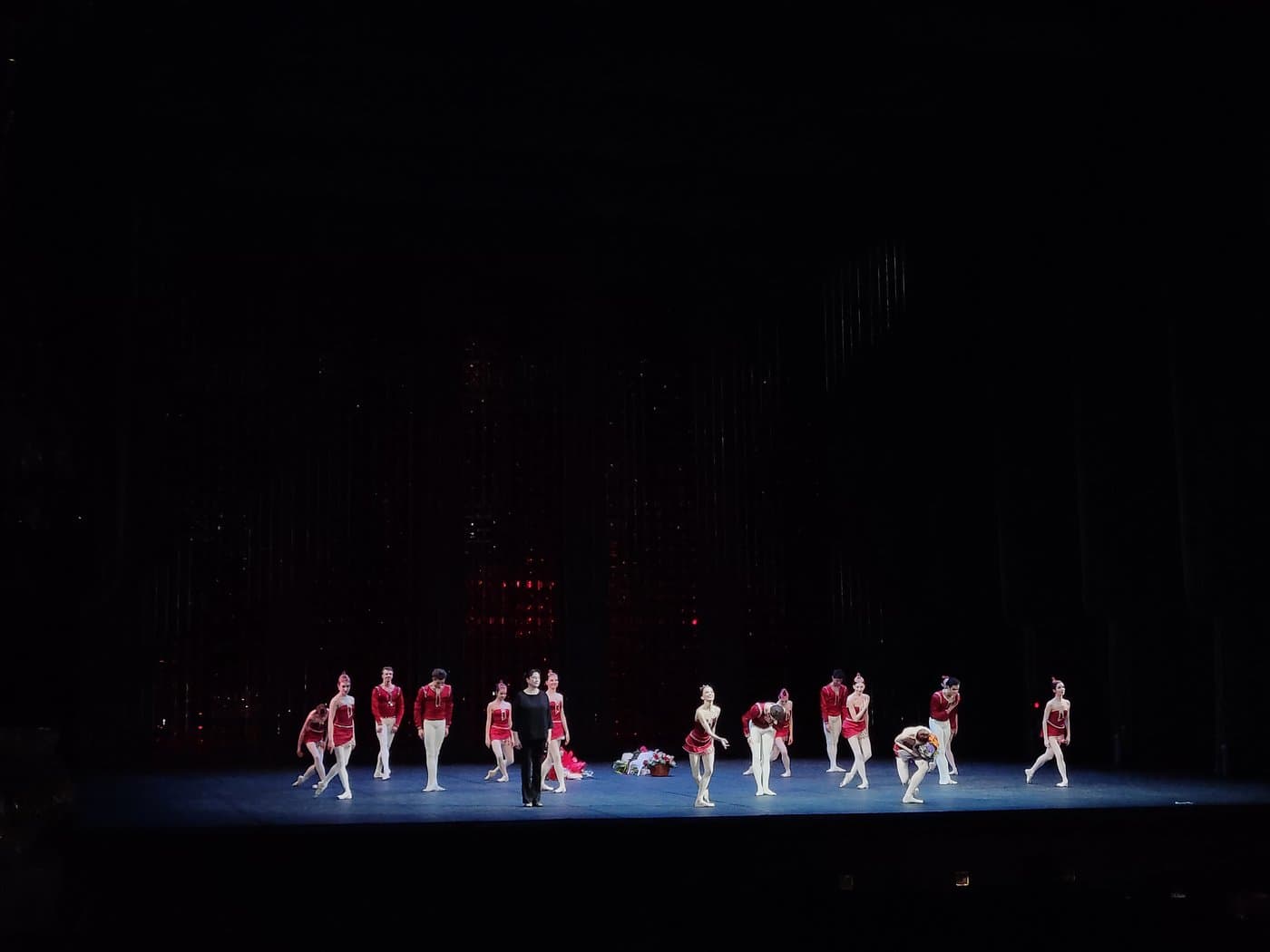
The first section, Emeralds, dances to music by Gabriel Fauré — excerpts from Pelléas et Mélisande and Shylock — and pays homage to the elegance and refinement of French ballet, its long legato phrases and soft romanticism evoking the style of the Paris Opéra. Rubies, set to Stravinsky's Capriccio for Piano and Orchestra, is the most energetic and syncopated of the three movements, its jazzy angularity and wit owing something to the Broadway tradition that shaped so much of Balanchine's American identity. Diamonds — the climactic movement — is set to the final three movements of Tchaikovsky's Third Symphony and represents the grandeur of the Imperial Russian school in which Balanchine himself was trained, its formal splendour a love letter to the world of the Mariinsky and the tradition of Petipa.
Taken together, Jewels is a meditation on ballet's past and present, on beauty as an end in itself, and on the capacity of pure movement and music to create an entire universe without recourse to narrative. It stands as one of the supreme expressions of Balanchine's neoclassical aesthetic, and a work of seemingly inexhaustible choreographic richness.
Composer (1)
Choreographers (1)

Upcoming Performances
No upcoming performances scheduled.