French
1836 – 1891
Composer
Léo Delibes
Biography
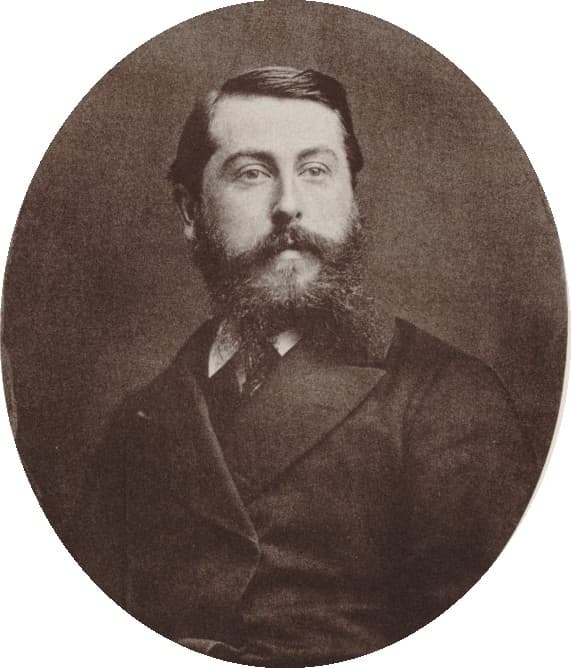
Clément Philibert Léo Delibes (1836–1891) was a French composer whose ballet scores brought a new sophistication and musical ambition to the genre in the second half of the nineteenth century. Born in Saint-Germain-du-Val, he entered the Paris Conservatoire at twelve and trained as an organist and pianist before turning to composition for the stage.
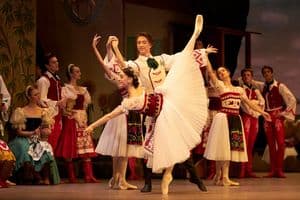
His greatest ballet score, Coppélia (1870), written for the Paris Opéra, was a landmark in the history of ballet music. Its rich harmonic language, vivid characterisation of the village scenes and memorable Slavic dance themes showed that ballet music could be a serious compositional endeavour rather than mere functional accompaniment. Tchaikovsky acknowledged his debt to Delibes, saying of Sylvia (Delibes's second major ballet score, 1876) that it was 'the first ballet in which the music constitutes not only the main interest but the only one'. Coppélia, set to the story of Franz and Swanilda's encounter with the toy-maker Coppelius, has remained among the most popular ballets in the international repertoire.
Delibes also wrote the opera Lakmé (1883), remembered today for its Flower Duet, and the operetta Le Roi l'a dit (1873). He was appointed professor of composition at the Paris Conservatoire in 1881.
Works (1)
Upcoming Performances
No upcoming performances scheduled.