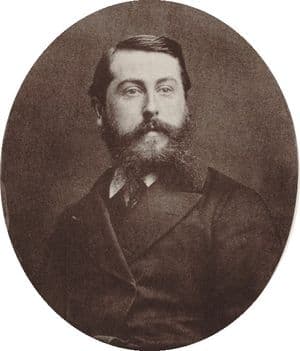
Léo Delibes
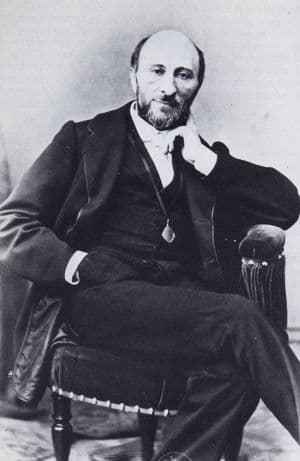
Arthur Saint-Léon
Classical (1880–1920)
Work
Coppélia
About This Work
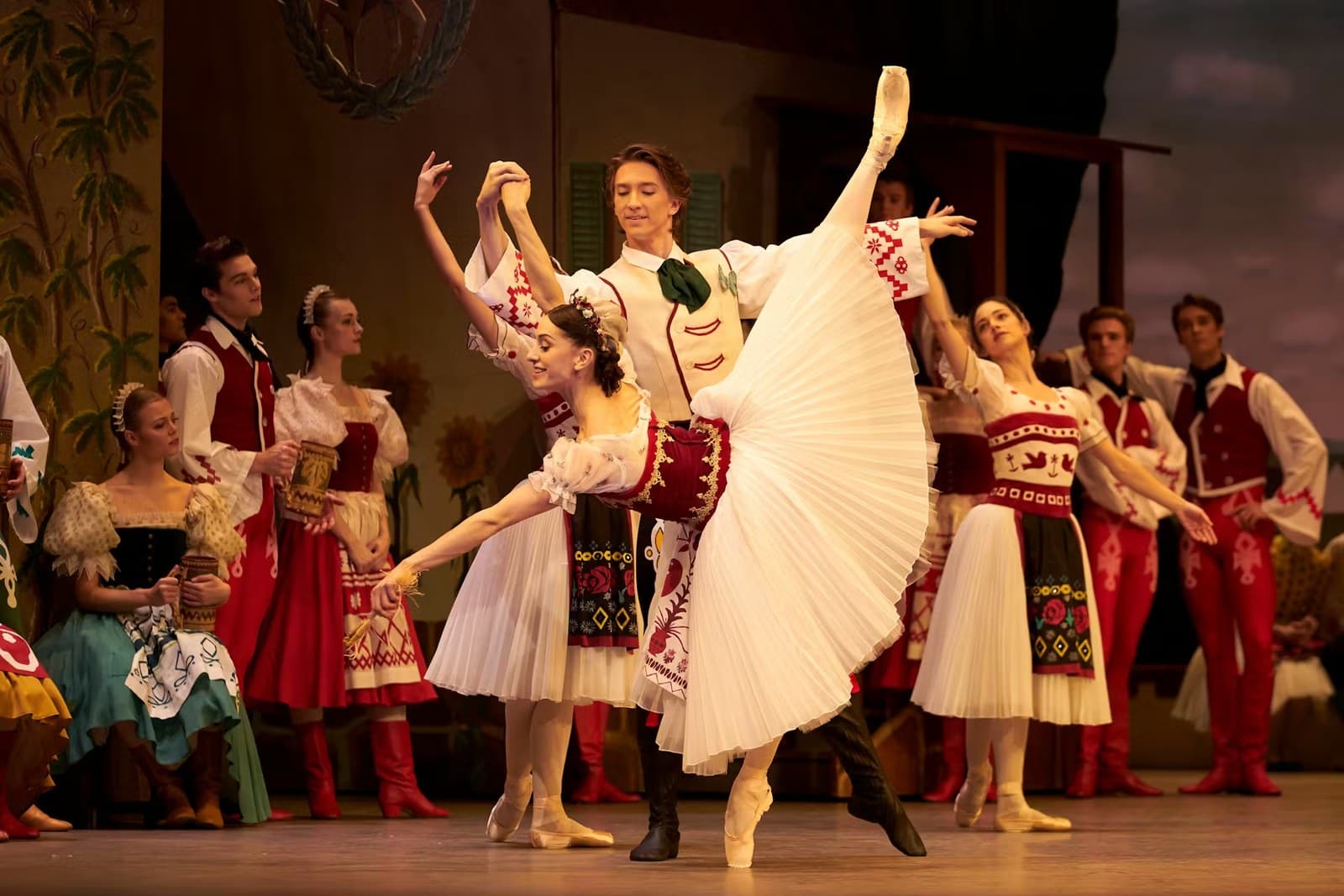
Coppélia is the great comic ballet of the classical repertoire — an irresistible confection of village life, young love and mechanical mischief that has charmed audiences since its Paris premiere in 1870. With a score by Léo Delibes that is widely held to be the finest ever written for ballet — praised by both Tchaikovsky and Stravinsky for its melodic richness and orchestral sophistication — Coppélia set a new standard for ballet music and helped establish the symphony-length score as the norm for classical productions.
The story is taken from E. T. A. Hoffmann's tale Der Sandmann. Franz, a young village man, becomes infatuated with the mysterious Coppélia — a beautiful girl he glimpses reading on the balcony of the reclusive toymaker Dr Coppélius. Unbeknownst to Franz, Coppélia is in fact an extraordinarily lifelike mechanical doll. His fiancée Swanhilda, suspecting a real rival, breaks into the old man's workshop and discovers the truth — but not before a series of comic misadventures involving the doll's uncanny behaviour, an unwitting Franz, and the hapless toymaker's dreams of bringing his creation to life.
The role of Swanhilda is one of the most rewarding in the ballet repertoire — a showcase for wit, charm and technical versatility that demands mime, character dancing, and classical technique in equal measure. The ballet includes some of the most vivid character dances in the repertoire, including a spirited mazurka and a spectacular czárdás, as well as the delicious Act Two scene in which Swanhilda impersonates the mechanical doll. Coppélia remains one of the most joyful works in the repertoires of both The Royal Ballet and English National Ballet.
Composer (1)
Choreographers (1)
Upcoming Performances
No upcoming performances scheduled.