Pyotr Ilyich Tchaikovsky
John Cranko
Mid-Century (1945–1980)
Work
Onegin
About This Work
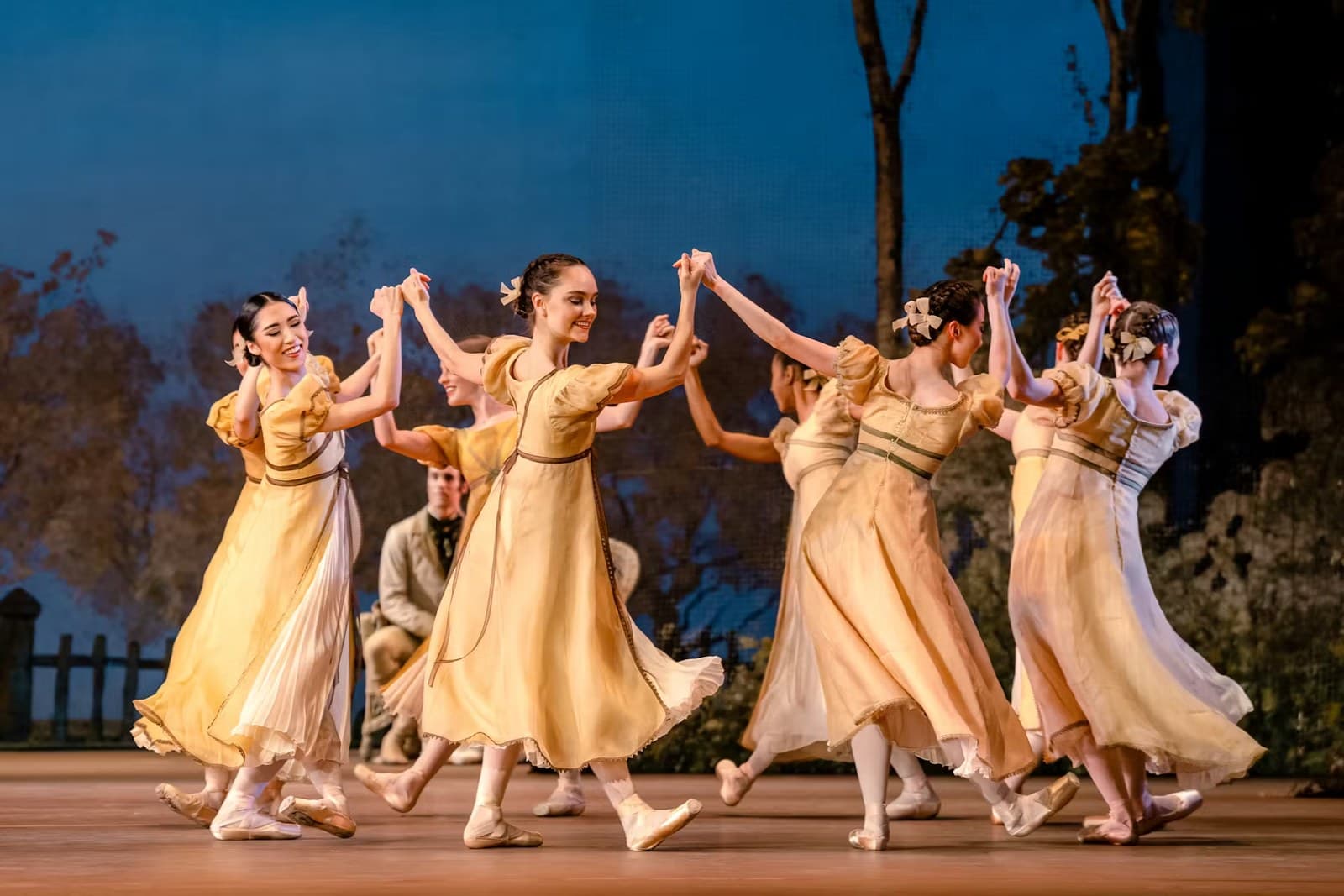
John Cranko's Onegin is one of the supreme achievements of narrative ballet — a work that transforms Alexander Pushkin's verse novel into a shattering study of pride, missed opportunity and the irreversibility of time. Created for Stuttgart Ballet in 1965, and now performed by companies across the world including The Royal Ballet, Onegin demonstrates Cranko's unmatched ability to translate literary character into pure movement, making abstract emotions visible with crystalline clarity.
The ballet follows the structure of Pushkin's poem closely. The young and idealistic Tatiana falls passionately in love with the cold, world-weary Onegin, who visits her provincial home and crushes her innocent declaration of love with casual cruelty. Years later, Onegin encounters Tatiana again — now transformed into a poised and radiant society figure, married to the elderly Prince Gremin. He falls desperately in love with her in turn, only to be rejected. Tatiana does not deny her feelings, but she will not betray her husband, and Onegin is left utterly alone.
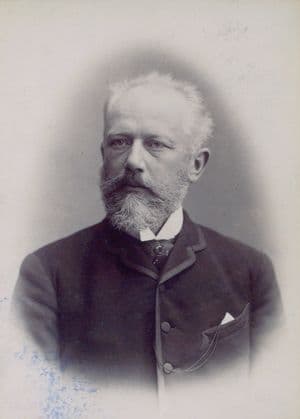
Cranko uses an arrangement of Tchaikovsky's piano and orchestral works (not the opera score) compiled by Kurt-Heinz Stolze, and the music's romantic lyricism perfectly complements the ballet's emotional arc. The four pas de deux between Tatiana and Onegin chart the entire story of their relationship and represent some of the most psychologically complex partnering in the repertoire. The mirror pas de deux in Act One — in which Tatiana dances with an imagined Onegin that springs from her own longing — is a particular masterstroke.
Onegin is a ballet for grown-ups: about the consequences of choices freely made, the weight of the past and the strange impossibility of return.
Composer (1)
Choreographers (1)
Upcoming Performances
No upcoming performances scheduled.