Russian
1840 – 1893
Composer
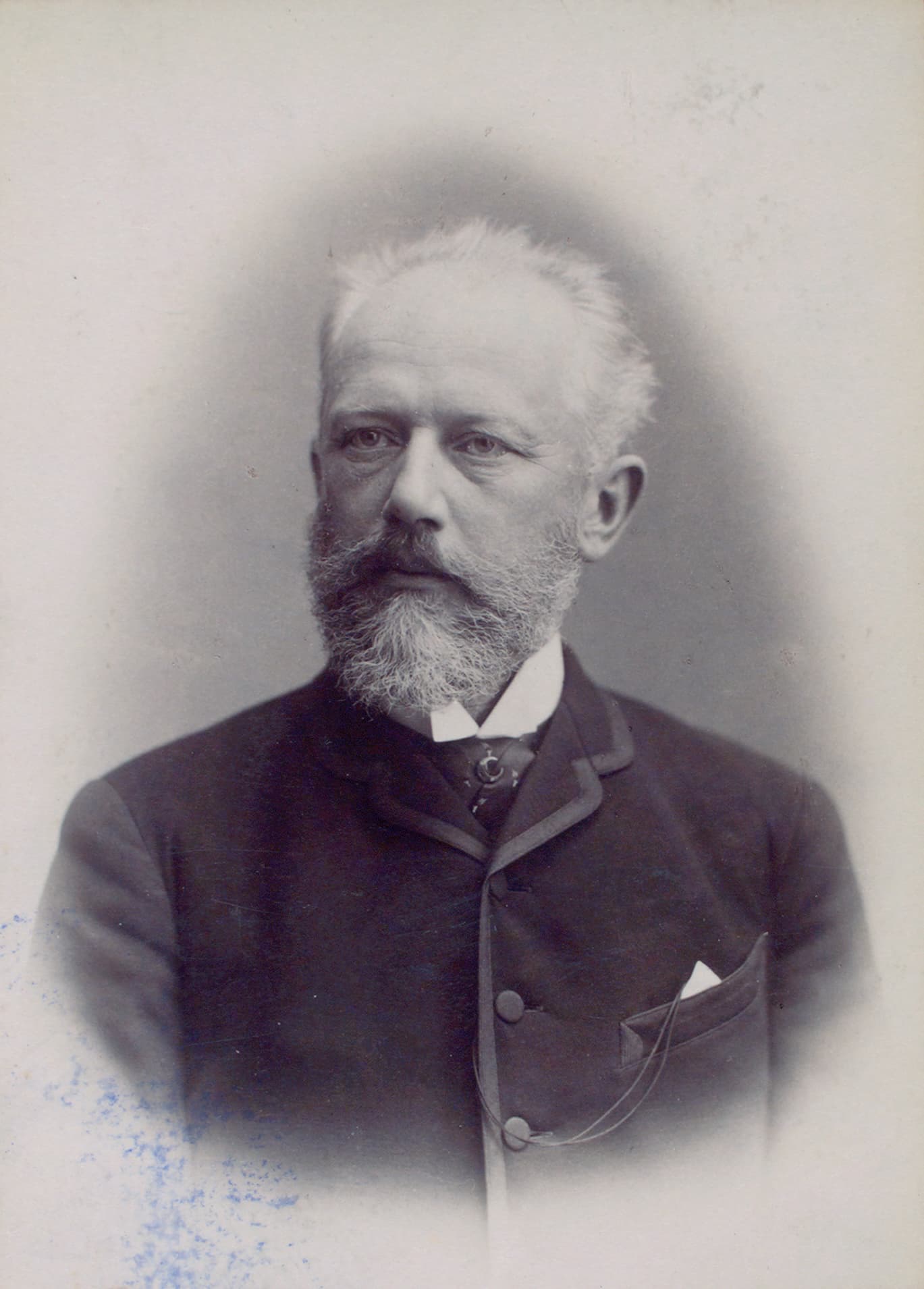
Pyotr Ilyich Tchaikovsky
Biography
Pyotr Ilyich Tchaikovsky (1840–1893) was a Russian composer whose three great ballet scores — Swan Lake (1876), The Sleeping Beauty (1890) and The Nutcracker (1892) — transformed ballet music from functional accompaniment into a symphonic art form and remain the most performed orchestral works in the ballet canon.
Born in Votkinsk in the Ural region, Tchaikovsky trained as a lawyer before entering the St Petersburg Conservatory in 1861. He became professor of harmony at the Moscow Conservatory in 1866, where he remained for twelve years. His early career was marked by struggles with depression, a disastrous marriage and financial insecurity, but his music found international recognition following a celebrated American tour in 1891.
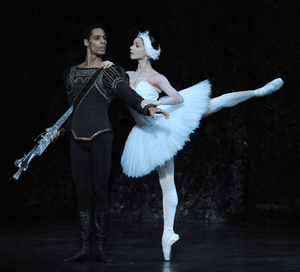
His ballet scores were revolutionary in their symphonic ambition. Swan Lake (1876, Bolshoi Ballet) was initially considered a failure in its first staging; it was only after Petipa and Ivanov's 1895 revision that it became the iconic work it is today. The Sleeping Beauty (1890) was composed in close collaboration with Marius Petipa, who provided him with a detailed musical brief for each scene. The Nutcracker (1892) was his last major work, and its Sugar Plum Fairy Variation introduced the celesta to the orchestra for the first time.
Beyond ballet, Tchaikovsky wrote six symphonies (the Fourth, Fifth and Sixth are his most beloved), three piano concertos, a violin concerto, the operas Eugene Onegin and The Queen of Spades, and the Romeo and Juliet Fantasy Overture. He died suddenly in St Petersburg in 1893, aged 53.
Works (5)





Productions (3)


Upcoming Performances
No upcoming performances scheduled.